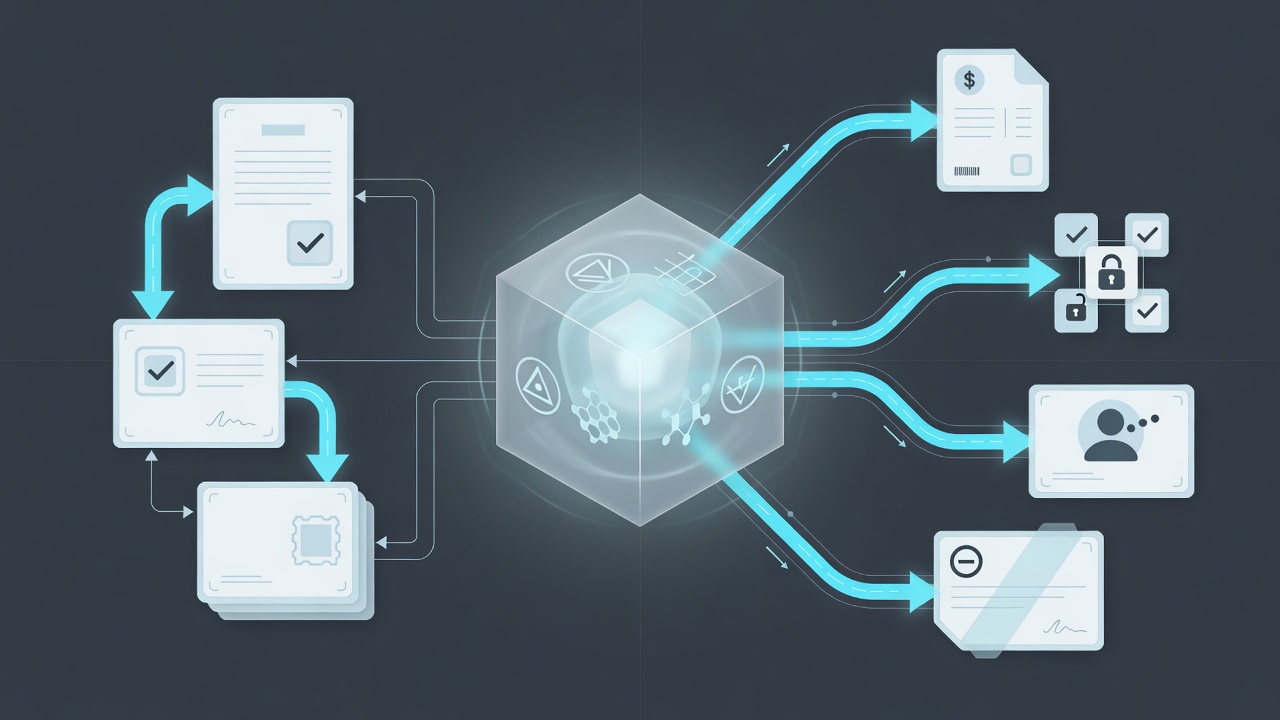
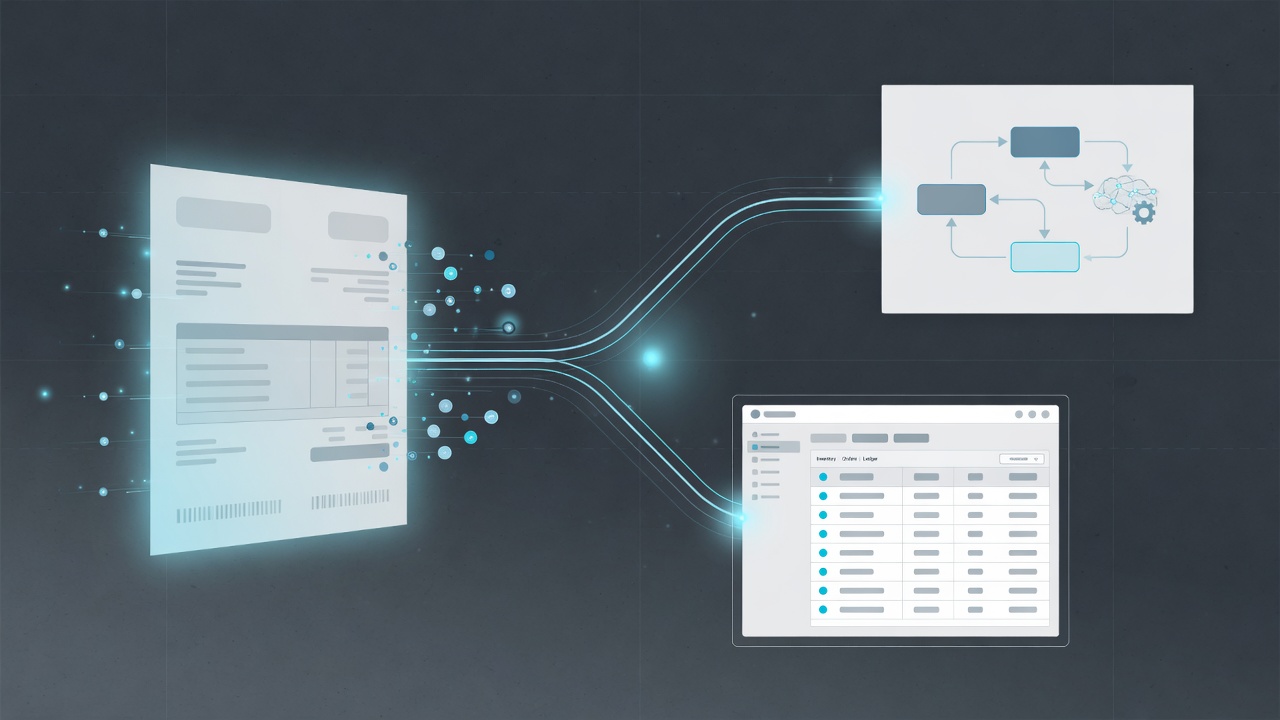
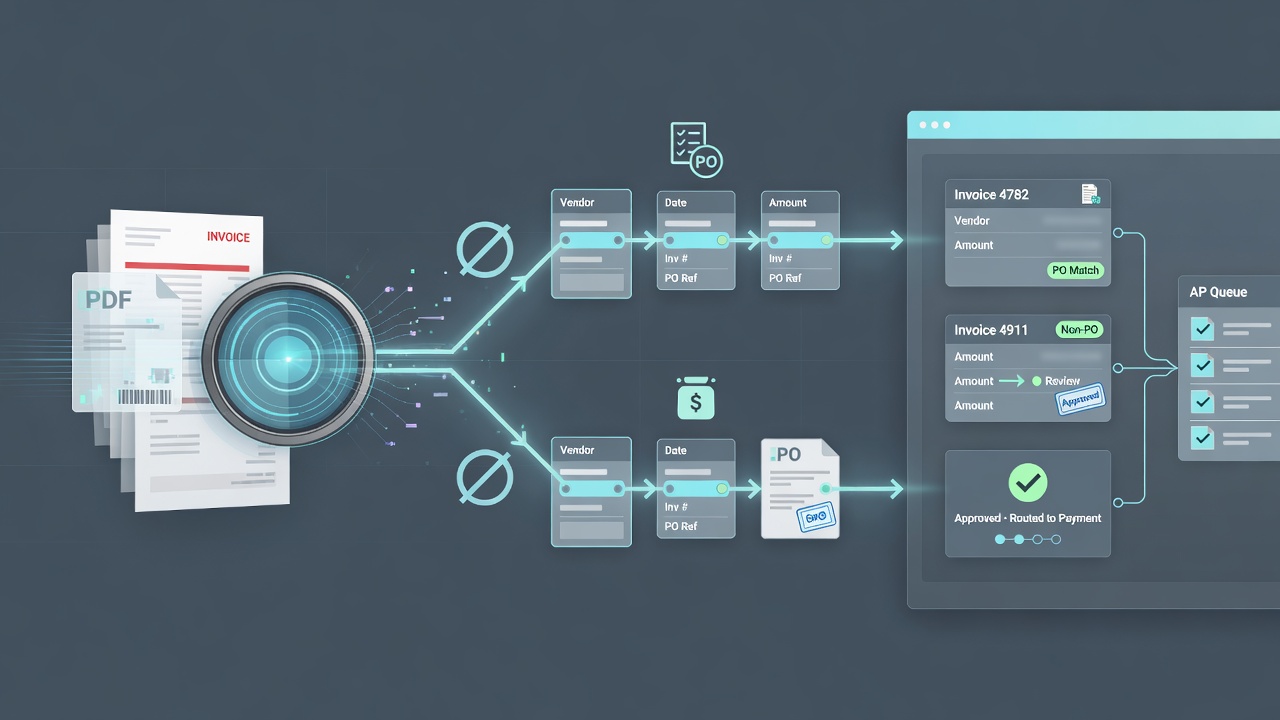
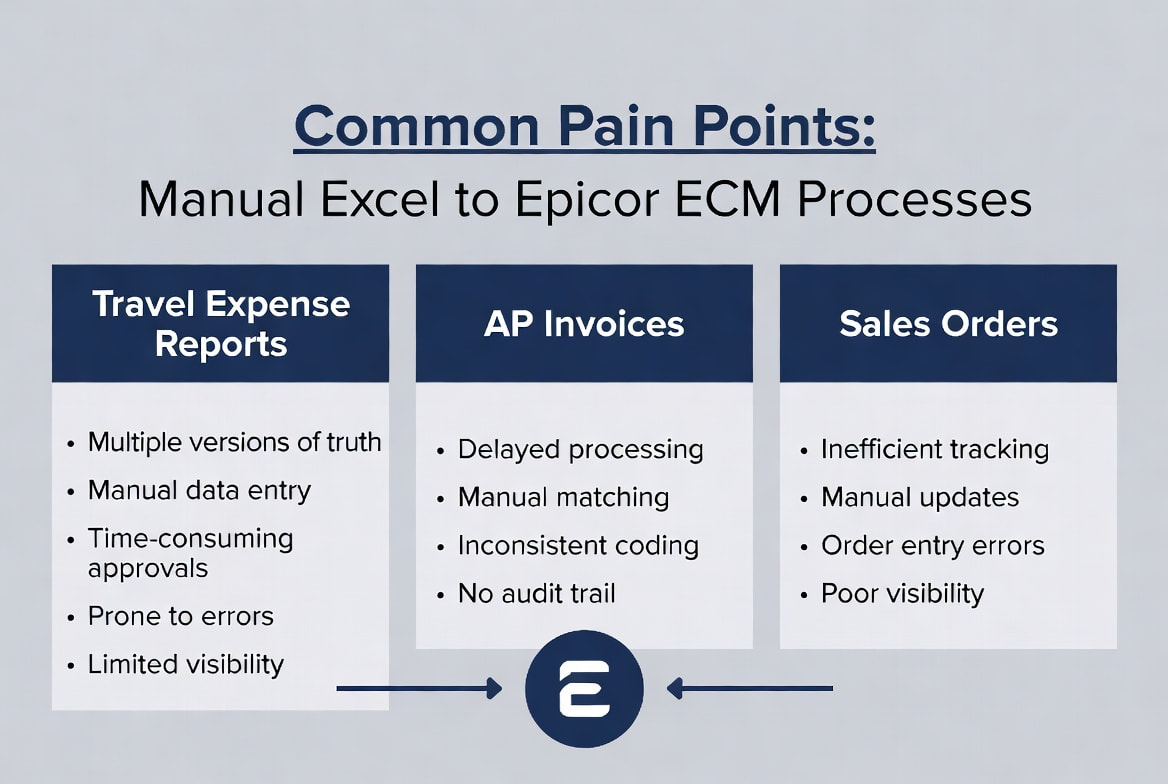
I am more than a technical configurator. My strongest work starts before anyone opens Kinetic: understanding how people actually process invoices, claims, orders, and exceptions today—where handoffs break, who owns decisions, and what “good” looks like for finance and operations.
I map current-state processes with the people who live them, then design a future state that is realistic to adopt. That includes role clarity, control points, and change readiness—not only screens, BAQs, and Functions. Only then do we implement in Epicor Kinetic, ECM/DocStar, integrations, and intelligent automation so the system supports the new way of working.
That combination is intentional: deep Epicor and ECM implementation skill and the ability to lead organizations through process redesign. Technology without process design creates expensive friction. Process design without solid delivery never sticks. I do both.
Core strength
Business process mapping & future-state design
Document how work runs today, surface gaps and waste, and design the target process with clear ownership, exceptions, and controls.
- Current-state workshops with finance, ops, and IT
- Future-state blueprints tied to real ERP capability
- Exception paths and decision rights—not only the happy path
Core strength
Organizational change & adoption
New processes fail when people are left out. I plan training, communication, and cutover so teams can actually run the new model.
- Stakeholder alignment across departments
- Practical enablement for end users and power users
- Go-live support that respects day-to-day load
Delivery
Epicor & ECM implementation
Kinetic Financials, ECM/DocStar, AP automation, DataLinks, Functions, and integrations—built to match the process we designed together.
- Financial and document workflows that fit operations
- Automation that reduces re-entry without losing control
- Patterns ready for intelligent and agentic layers when appropriate